

 24 Hours



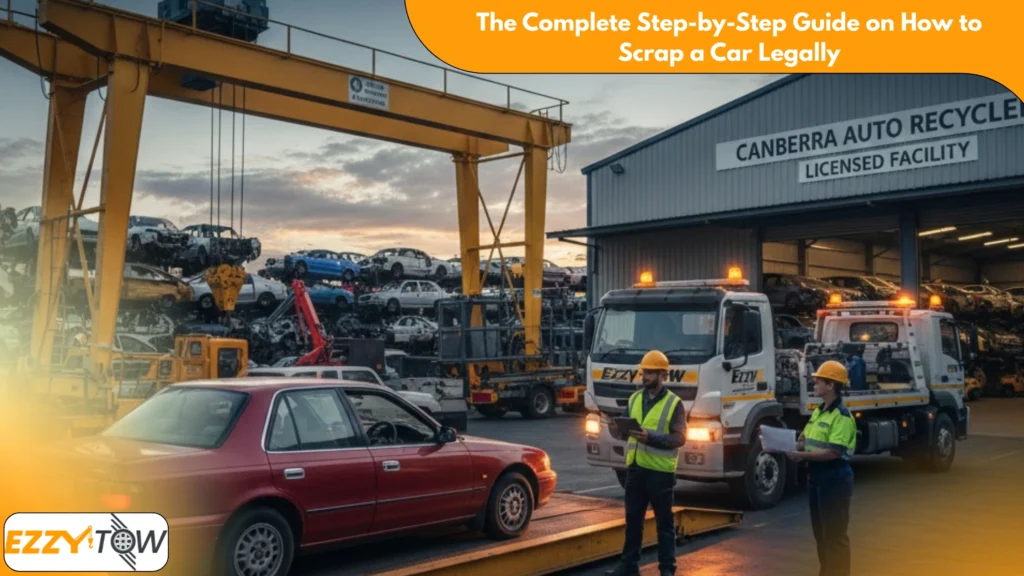
Scrapping an old or damaged vehicle is not just about getting rid of metal. It is a legal process that involves ownership verification, environmental responsibility, and choosing the right service.
Many car owners delay this decision because they are unsure about paperwork, compliance, or the right way forward. This guide explains how to scrap a car legally, clearly, and without confusion.
Whether your vehicle has failed registration, suffered accident damage, or has simply reached the end of its life, understanding the correct process protects you from fines, future liability, and unnecessary stress.
This article walks you through each step in detail so you can make informed decisions and avoid common mistakes.
When Is Scrapping a Car the Right Choice?
Not every old vehicle needs to be sold privately or repaired. In many cases, scrapping is the safest and most practical option.
You should consider scrapping your car if:
- The repair cost exceeds the car’s market value
- The vehicle has been written off or severely damaged
- Registration renewal is not economically viable
- The car has been unused for a long time and is no longer roadworthy
At this stage, most owners start asking a very practical question: how do you scrap a car without running into legal or administrative trouble? The answer lies in understanding the formal process rather than handing the vehicle over informally.
Step 1: Confirm Ownership and Identity
Before you scrap the car, legal ownership must be clear. You cannot dispose of a vehicle unless your name is on the registration papers or you can provide proof of purchase.
Required documents usually include:
- Vehicle registration certificate or proof of ownership
- Valid photo identification
- Any release or authority forms if the vehicle is unregistered
If documents are missing, contact your local transport authority first. Skipping this step can cause delays or outright rejection by licensed scrap operators.
Step 2: Cancel Registration Properly
One of the most overlooked steps when disposing of car legally is registration cancellation. Leaving a car registered while scrapping it can expose you to fines, toll charges, or misuse.
You should:
- Remove number plates before collection
- Submit cancellation forms to the relevant authority
- Apply for a registration refund if eligible
This step ensures that your responsibility ends the moment the vehicle leaves your possession.
Step 3: Choose a Licensed Scrapping Service
Not all scrap yards operate legally. Choosing an unlicensed operator can result in environmental violations or even legal notices if the vehicle is mishandled later.
A licensed service ensures:
- Proper dismantling and recycling
- Safe disposal of hazardous materials
- Compliance with state environmental laws
When booking a collection, this is usually the point where people want direct contact details. For Canberra residents, arranging pickup or clarifying requirements is simple by calling 02 489 202 220, emailing info.Ezzytow@gmail.com, or visiting 67 Kennerde Cres, Taylor to speak directly with a local team that understands regional regulations.
This step is critical because once you scrap the car, responsibility shifts entirely to the authorised operator.
Step 4: Understand the Environmental Process
Legal scrapping is not just about metal recovery. Modern vehicle disposal involves careful handling of materials that can harm the environment.
Licensed facilities will:
- Drain oils, fuel, and coolant safely
- Remove batteries and electronics responsibly
- Recycle usable metal and parts
- Dispose of non-recyclables according to environmental law
By following this route, you are not only compliant but also contributing to sustainable waste management.
Step 5: Handover and Documentation
At the time of collection or drop-off:
- Ensure the vehicle identification number is recorded
- Sign the transfer or disposal acknowledgment
- Keep copies of all paperwork
This documentation is your legal proof that the vehicle has been scrapped correctly. If questions arise later, these records protect you.
Common Mistakes People Make When Scrapping a Car
Even informed owners can make avoidable mistakes during the process.
Some of the most common issues include:
- Handing the car to unlicensed buyers
- Forgetting to cancel registration
- Not removing personal belongings
- Failing to obtain written confirmation of disposal
Avoiding these errors ensures the process remains smooth and stress-free.
Why Legal Scrapping Matters More Than You Think
Many people assume scrapping is informal, but improper disposal can lead to serious consequences. Vehicles abandoned or dismantled illegally can still be traced back to the last registered owner.
When a car is scrapped legally and recorded with the relevant authorities, ownership responsibility is officially closed and cannot be reopened later.
Conclusion
Knowing how to scrap a car legally is about more than removing an unwanted vehicle. It is about closing responsibility properly, protecting yourself from future liability, and ensuring environmentally sound disposal.
If you are unsure at any stage or want professional assistance, speaking directly with Ezzy Tow can simplify the entire process. A quick call on 02 489 202 220, an email to info.Ezzytow@gmail.com, or visiting 67 Kennerde Cres, Taylor gives Canberra vehicle owners clear guidance and reliable support without unnecessary delays.
Frequently Answered Questions (FAQs)
1. How long does the car scrapping process usually take?
Once documents are ready, the process is usually completed within one day. Collection, paperwork, and confirmation happen quickly with licensed operators in Australia. Delays only occur when ownership or registration issues exist.
2. Can I scrap a car without registration?
Yes, unregistered vehicles can be scrapped if ownership proof is available. You may need additional identity verification. Always confirm requirements before booking.
3. Is it illegal to scrap a car privately?
Selling parts privately is allowed in limited cases, but full disposal must go through licensed facilities. Illegal dismantling can lead to fines. Legal compliance protects you from future issues.
4. What happens to the car after it is scrapped?
The vehicle is dismantled, fluids are removed, and materials are recycled. Hazardous components are disposed of safely. Nothing is dumped irresponsibly.
5. Why is it important to understand how to scrap a car properly?
Improper scrapping can leave legal responsibility with the owner. Understanding how to scrap a car ensures your name is cleared from records. It also supports safe environmental practices.

