

 24 Hours



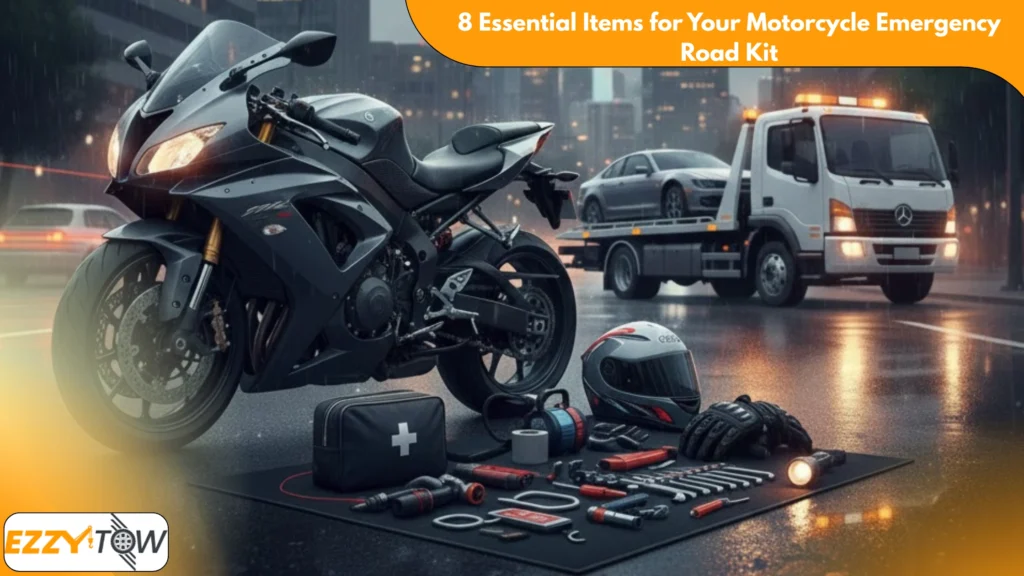
A well prepared Emergency Road Kit is one of the most important safety investments a motorcyclist can make. Motorcycles offer freedom, but they also leave riders more exposed during breakdowns and emergencies.
Roadside incidents involving motorcycles continue to remain a concern across Australia, and many can be managed more safely with proper preparation.
Most riders eventually experience a mechanical failure, a flat tire, or an unexpected stop. Having the right items on hand reduces stress, saves time, and keeps situations under control.
These essentials are chosen based on national road safety guidance, mechanical best practices, and practical needs for riders travelling across Australian roads.
Why Riders Should Build an Emergency Road Kit
Motorcycles have less storage space and fewer built in safety buffers compared to cars. A small issue can quickly turn into a hazard if you are stuck on the shoulder or a quiet rural road.
Carrying the correct tools and supplies also supports the response steps for what to do when you get in a wreck, especially in situations where assistance may take time to arrive.
A structured kit allows riders to take control of minor repairs, manage injuries, and signal clearly to others.
Many roadside assistance organisations in Australia, including NRMA, explain that many small motorcycle issues can be resolved on the spot with proper tools.
1. Multitool and Essential Motorcycle Tools
A compact multitool is the foundation of any emergency kit. It allows quick adjustments and fixes when bolts loosen, controls shift, or parts require tightening. Basic tools such as screwdrivers, pliers, spanners, and hex keys prepare riders for the majority of small roadside tasks.
A small tool pouch fits easily under most seats or tank bags and provides immediate control over simple mechanical issues.
2. Tire Repair Kit and Portable Inflator
A flat tire is one of the most common motorcycle breakdowns. Without preparation, it often leads to long delays. Plug kits, puncture sealants, and compact inflators allow riders to repair small punctures safely until they reach a service shop.
This also directly supports incidents involving flat tire roadside service, which may take time depending on location. Keep puncture repair tools when travelling in areas where towing access may be limited. A mini air compressor or CO2 inflator restores pressure quickly, getting riders moving again with minimal downtime.
3. First Aid Kit
A first aid kit is essential for handling injuries safely and calmly. It should include bandages, sterile wipes, saline, gloves, and gauze. These supplies help manage cuts, abrasions, and impacts that may occur during sudden stops or crashes.
Even small injuries require immediate cleaning to prevent infection, especially when medical help may not be close by. First aid preparation also strengthens the response process for what to do when you get in a wreck, helping riders stabilize themselves or others until help arrives.
Refreshing first aid supplies every year ensures sterility and usability.
4. Portable Jump Starter or Motorcycle Battery Cables
Battery failures are common, especially during cold weather or after long periods without riding. A compact jump starter brings the motorcycle back to life without waiting for assistance. If preferred, motorcycle sized jumper cables can also be carried, though modern riders often choose lithium jump starters for convenience.
According to NRMA notes that battery issues remain one of the top call out reasons in roadside assistance data across Australia. A charged jump starter prevents unnecessary delays and gets riders safely back on the road.
5. High Visibility Gear and Signalling Tools
Visibility is critical during emergencies. LED flares, reflective vests, and compact warning triangles help approaching vehicles see you clearly. Poor visibility increases the risk of secondary collisions, especially at night or during rain.
The ACT Government stresses that making yourself visible during roadside stops significantly reduces danger for both riders and passing motorists. Keeping these items easily accessible enables quick deployment when needed.
6. Water and High Energy Snacks
Breakdowns can lead to unexpected waiting times, particularly in rural or regional Australia. Dehydration affects judgement and increases fatigue. Carrying a bottle of water and a non-perishable snack keeps energy levels stable and supports clearer decision making.
7. Power Bank and Communication Essentials
Communication is essential during roadside incidents. A reliable power bank ensures your phone remains charged so that you can call for motorcycle roadside service or notify family members. Consider including a charging cable, emergency contact card, and any necessary bike-specific information.
The Australian Communications and Media Authority advises that reliable mobile access is essential for emergency response and encourages travellers to maintain charged devices during transport. Keeping communication tools ready ensures riders can contact EzzyTow or emergency services without delay.
8. Important Documents and Compact Extras
Important documents such as registration, insurance details, licences, and emergency contacts should be kept in a waterproof pouch. These documents streamline communication with authorities, service providers, and repair shops.
Small extras like zip ties, duct tape, and a pen are simple yet highly effective. They help secure broken components, record details after an incident, or attach temporary labels. These items complete your Emergency Road Kit and allow greater control during uncertain situations.
Need Help On The Road? EzzyTow Is Ready To Assist
Even the best planning cannot prevent every mechanical issue or unexpected event. When a situation becomes too complex to manage on your own, EzzyTow provides dependable support across Canberra.
When a breakdown becomes overwhelming or a repair seems unsafe to attempt roadside, reaching out to us at 02 489 202 220 is often the fastest way to regain control of the situation.
Our team can be contacted through info.ezzytow@gmail.com or visited at 67 Kennerde Cres, Taylor whenever you need a reliable helping hand that understands the urgency motorcyclists face.
Building and Maintaining Your Kit
Building an emergency kit is a single task, but maintaining it requires routine checks. Tools should stay clean and functional. Batteries in jump starters and flashlights should remain charged. First aid items should be replaced before expiry.
Transport safety advisers recommend reviewing your kit every three to six months, particularly before long touring rides. Matching your kit to the length and type of rides helps ensure you always carry the correct items.
Riders travelling through regional and rural Australia may consider adding extra water, larger repair tools, or additional visibility equipment.
Conclusion
A complete and carefully maintained Emergency Road Kit strengthens your preparedness, enhances safety, and reduces the stress that comes with unexpected roadside issues.
Each item plays a meaningful role in supporting safe decision making during breakdowns, minor injuries, or complex situations that require assistance.
When challenges exceed what can be handled with your kit, EzzyTow is always ready to support you. Reaching out to them at 02 489 202 220, emailing info.ezzytow@gmail.com, or visiting 67 Kennerde Cres, Taylor provides direct access to reliable assistance for riders across Canberra.
Frequently Answered Questions (FAQs)
-
What items should be included in a motorcycle Emergency Road Kit?
A complete kit should include basic tools, tire repair supplies, first aid items, visibility equipment, communication tools, and essential documents.
-
How often should the emergency kit be reviewed?
A review every three to six months keeps tools functional, supplies clean, and devices charged. Regular checks ensure all items stay ready for use.
-
What to do when you get in a wreck?
Move to a safe location, check for injuries, use your first aid supplies if needed, and contact emergency services.
-
What motorcycle roadside service options assist riders?
Services can include towing, jump starts, puncture assistance, and transport to repair facilities.
-
How does flat tire roadside service typically work?
This service assists with puncture repairs, inflation, or towing if the damage is severe. A variation of this service includes mobile repair support for riders unable to safely handle the tire themselves.

